
TL;DR
- Cryptocurrencies go through predictable boom-bust cycles of accumulation, markup, distribution, and markdown phases.
- Analyzing historical precedents shows the high volatility across crypto cycles.
- Market psychology and investor behavior drive cycle extremes based on fear, greed, and confusion.
- Fundamental factors like technology, adoption, regulations, economics, and manipulation also influence cycles.
- Institutions should develop strategies aligned to each phase, including long-term holding, dollar-cost averaging, technical/fundamental analysis, diversification, and risk management.
- Thoughtful regulations can facilitate institutional investment and dampen cycle volatility over time.
Introduction
Cryptocurrencies have experienced tremendous growth over the past decade, evolving from niche technology into a mainstream financial asset class. As institutional investors enter this nascent market, it is crucial to understand the cyclical nature of cryptocurrencies and how to effectively navigate the various phases. This guide provides a comprehensive overview of crypto market cycles, historical precedents, driving factors, and strategies for institutional investors.
The Importance of Understanding Crypto Cycles
- Risk Mitigation - The high volatility of cryptocurrencies poses significant risks. Analyzing cycles enables effective hedging and protection against the downside.
- Optimal Entry Points - Identifying cycle lows provides ideal opportunities to enter positions before the next markup phase.
- Optimal Exit Points - Selling near cycle tops allows maximizing returns before prices decline.
- Portfolio Diversification - Cryptocurrencies have low correlations with traditional assets and can enhance portfolio returns.
The Four Phases of a Cryptocurrency Market Cycle
Cryptocurrency markets tend to undergo four distinct phases:
Accumulation Phase
- Prices are low and stagnant after a prior markdown phase.
- Trading volumes are low.
- Only informed investors are actively accumulating.
- Media and retail interest remain indifferent.
Markup Phase
- Prices start trending higher.
- Trading volumes increase substantially.
- Media coverage intensifies, fueling retail FOMO.
- Market sentiment shifts to optimism.
Distribution Phase
- Prices reach a cycle peak and start to stagnate.
- Trading volumes remain high but start declining.
- Informed investors begin distributing holdings.
- Market sentiment turns cautious and confused.
Markdown Phase
- Prices collapse rapidly as panic selling sets in
- High volatility and capitulation selling wipe out gains
- Media coverage focuses on negativity and risks
- Market sentiment turns extremely pessimistic
| Phase | Investor Behavior | Market Sentiment |
|---|---|---|
| Accumulation | Buying | Indifferent |
| Markup | Holding | Optimistic |
| Distribution | Selling | Mixed |
| Markdown | Panic Selling | Pessimistic |
Historical Cycles in Leading Cryptocurrencies
Analyzing historical price charts offers critical insights into crypto market cycles:
Bitcoin Cycles
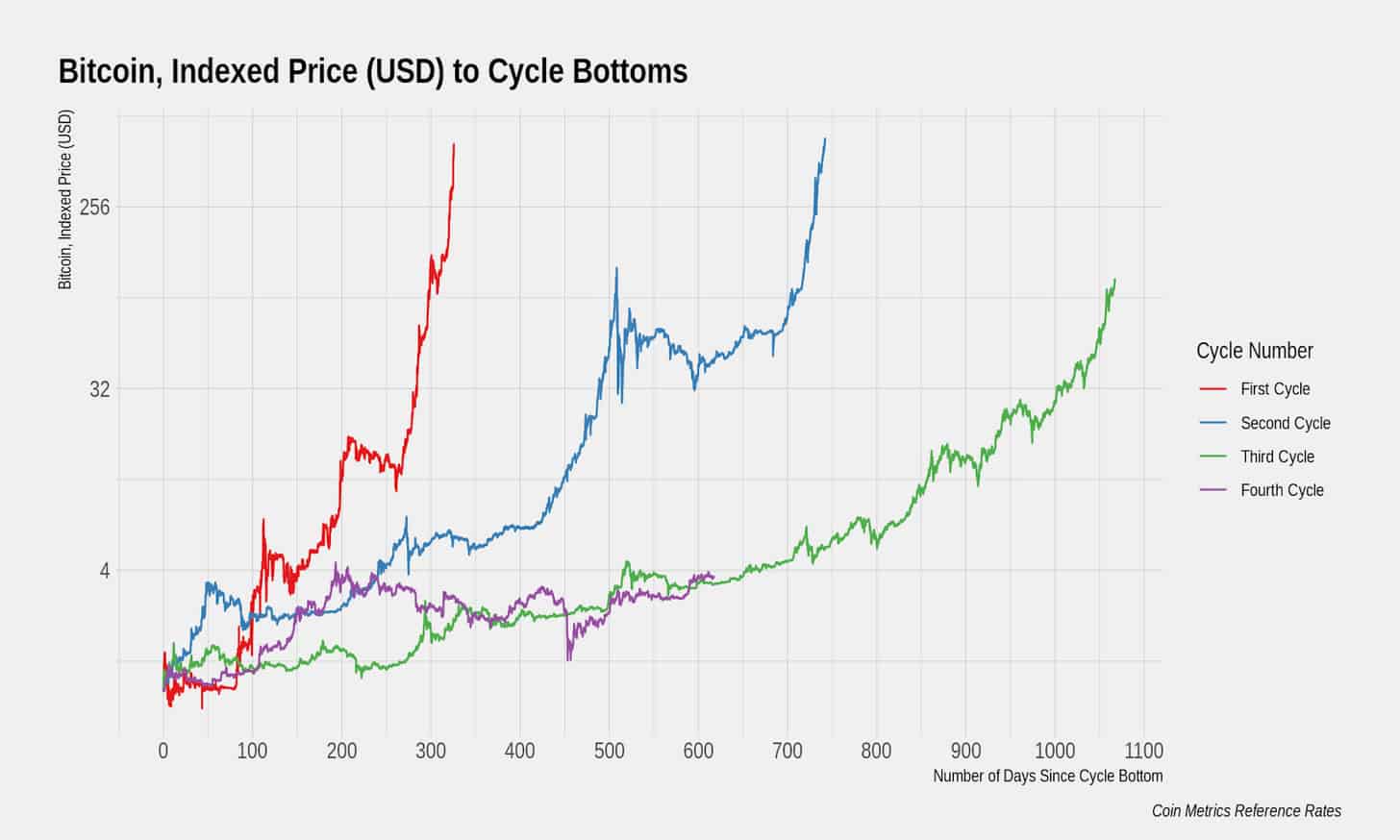
Bitcoin, the pioneer cryptocurrency, drives the crypto market cycles and has seen several cycles since its 2009 inception. Its price journey from mere cents to tens of thousands of dollars exemplifies the power of these cycles. For instance, Bitcoin’s massive 2017 surge and subsequent 2018 crash were followed by similar cycles in 2020-2021.
- 2011 Bubble - Price rose from $0.30 to $32 before collapsing to $2
- 2013 Rally - Bottomed at $65 and peaked at $1,150 before declining 84%
- 2017 Mania - Surged from $1,000 to nearly $20,000 before plunging over 80%
- 2020-2021 Bull Run - Gained over 1,000% from lows of $3,800 to highs of $69,000
Ethereum Cycles
Ethereum as the second-largest crypto has experienced similar bubble-crash cycles:
- 2017 Irrational Exuberance - Spiked from $8 to $1,400 before diving 94%
- 2018 Bear Market - Fell from $1,400 to below $100 over 12 months
- 2020-2021 Bull Run - Skyrocketed from $100 to above $4,000 for 4,000% gains
These examples illustrate the dramatic price swings across crypto adoption cycles. Grasping this volatile, cyclical pattern is key for institutional investors.
Market Psychology and Investor Behavior
Extreme emotions and irrational investor behavior significantly impact crypto market cycles, especially during later stages:
Greed and FOMO
The markup phase is driven largely by greed and FOMO as prices skyrocket. Retail investors flock in, inflating the bubble.
Fear and Panic
The markdown phase sparks fear and panic selling, driving a capitulation crash. Weak hands sell at substantial losses.
Confusion
The distribution phase creates confusion as the exuberance wanes. Investors are unsure whether to hold or sell.
Understanding and accounting for emotional factors allow institutions to avoid irrational decisions.
Fundamental Drivers of Crypto Market Cycles
Along with investor psychology, several fundamental factors contribute to the ebbs and flows of crypto cycles:
- Technological Innovation - Key advancements like Taproot, EIP-1559, and the Merge catalyze investor interest and markups.
- Mainstream Adoption - Growing integration of cryptocurrencies into financial services spurs investor demand.
- Regulatory Changes - Increased oversight can deter investment, while clarity catalyzes markups.
- Macroeconomics - Issues like inflation and economic instability encourage the adoption of cryptocurrency as a hedge.
- Market Manipulation - Coordinated price actions by large holders (“whales”) exaggerate cycle highs and lows.
Tracking Major Trends Reshaping Digital Asset Markets
The crypto landscape is constantly evolving, driven by transformative trends:
| Trend | Tech Project | Potential Impact |
|---|---|---|
| Decentralized Finance (DeFi) | New Yield Farming Platforms | Increased user adoption & institutional interest |
| Non-Fungible Tokens (NFTs) | Cutting-edge NFT marketplaces | Rise in digital asset value & the creative economy |
| Real-World Blockchain Apps | New supply chain solutions | Sustainability-focused investments & supply chain transparency |
| Central Bank Digital Currencies (CBDCs) | Government-backed digital forms of fiat currency | Compete against private sector stable coins in marketplace transactions. |
What factors affect transitions between crypto market cycle phases?
Several key factors drive the shifts between different phases of the crypto market cycle:
- Investor psychology - Greed, fear, confusion, and optimism among market participants propel transitions between euphoria and capitulation.
- Market events - Exchange hacks, new regulations, major protocol upgrades, or other events spark price movements between phases.
- Adoption and fundamentals - Growing development activity, institutional involvement, and real-world usage drive markets into new accumulation phases.
- Media hype - Intense news coverage of crypto pushes markets into overbought conditions ripe for distribution.
- Macroeconomics - Issues like inflation, economic instability, or geopolitical crises encourage flows into crypto assets.
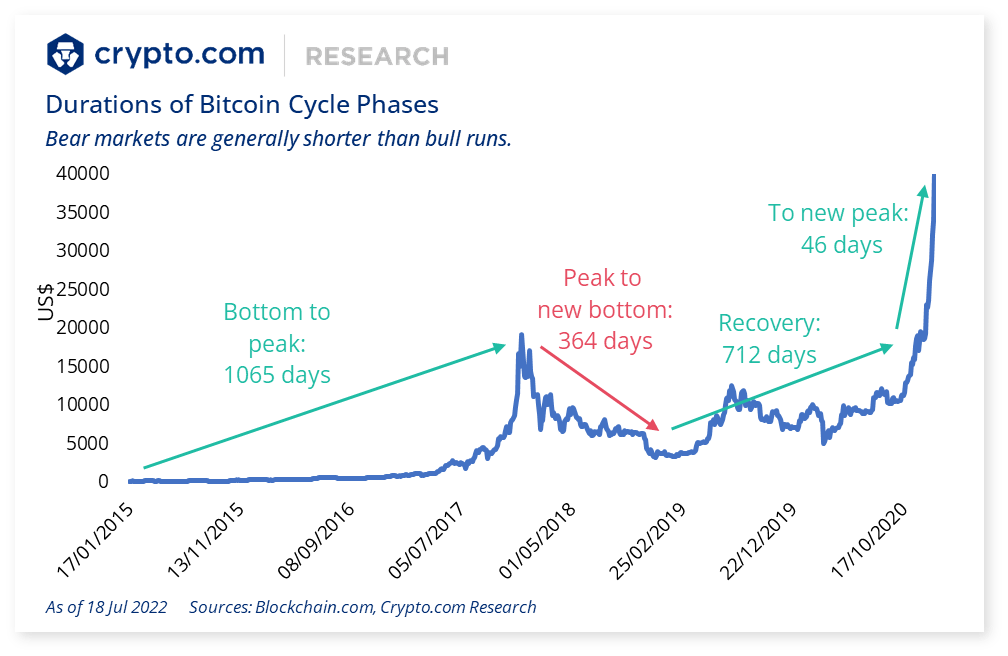
Developing Strategies to Identify Emerging Trends Early
Succeeding in crypto’s volatility requires identifying major trends early. Key strategies include:
- Understanding investor psychology to predict sentiment shifts based on behavior.
- Monitoring technological innovations like new cryptocurrencies, DeFi platforms, and NFT marketplaces.
- Analyzing a trend’s trajectory to determine optimal entry and exit points.
Managing Volatility Through Analytical Approaches
Cryptocurrencies’ extreme volatility demands robust analytical strategies:
- Risk management via diversifying into different crypto assets.
- Using analytics tools for data-driven decision making.
- Tracking influencers and policies that trigger price movements.
- Evaluating blockchain fundamentals to identify promising long-term projects.
Constructing a Balanced Cryptocurrency Portfolio
Strategic portfolio construction is vital to mitigate volatility risks:
- Major coins like Bitcoin and Ethereum are relatively safe bets.
- Allocations to promising altcoins for higher growth.
- Constant research to identify opportunities based on trends and innovations.
Implications and Strategies for Institutional Investors
The cyclical crypto markets require institutions to develop robust strategies tailored to each phase:
Long-term Holding
- Holding through cycles mitigates risks from short-term volatility.
- Allows capturing full upside potential over multiple years.
Dollar-Cost Averaging
- Phases purchases over extended periods to reduce market timing risks.
- Especially effective for accumulating during markdowns and distributions.
Technical Analysis
- Identify support, resistance, trends, and patterns to optimize entries and exits.
- Useful for timing cycle lows and highs.
Fundamental Analysis
- Assess project roadmaps, adoption metrics, and partnerships for intrinsic value insights.
- Helps value cryptocurrencies through hype and bearishness.
Portfolio Diversification
- Cryptocurrencies have low correlation to stocks and bonds.
- Strategic allocation dampens portfolio volatility and enhances returns.
Active Risk Management
- Hedge excessive risks using derivatives like options contracts.
- Set stop losses to protect against severe markdowns.
The Regulatory Landscape
Given cryptocurrencies’ expansive growth, regulators worldwide are attempting to develop frameworks to provide oversight without hindering innovation. However, significant uncertainties remain.
Overall, the global regulatory outlook remains murky. While thoughtful crypto regulations could facilitate institutional participation and financial stability, misguided policies driven by incumbent interests threaten technological progress and mainstream adoption. Institutions must actively engage with lawmakers to advocate for innovation-friendly frameworks. Without rational, future-focused policies, regulators risk severely undermining cryptocurrencies’ paradigm-shifting potential.
Conclusion
Cryptocurrencies are a game-changer in finance but come with high volatility and cycles. For institutional investors, it’s crucial to have strategies tailored to these cycles. By combining smart strategies, proper asset allocation, and risk management, cryptocurrencies can be an asset for institutional portfolios. The long-term view is positive as adoption grows in finance and global trade.